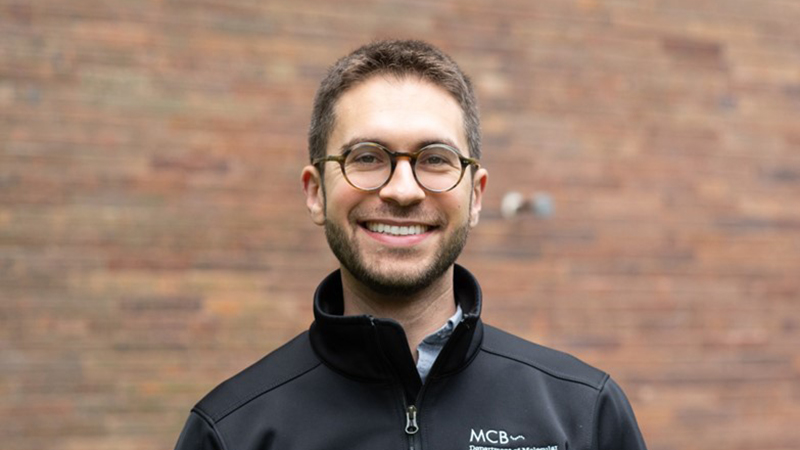
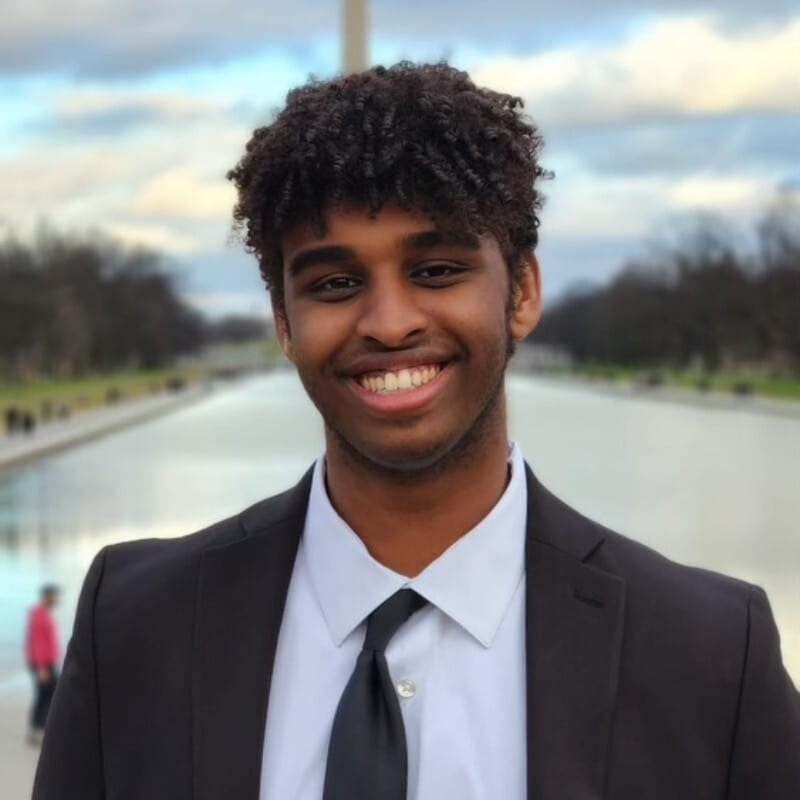
Guinn
Herron
Bridging Excellence: The Trotter-HBCU Partnership
Abstract profile. Full document pending author claim.
Authors:
Guinn Herron, Cornell Brooks
Date Created:
2025-01-01
Course Title:
Professor:
Not specified
About Paper:
U.S. democratic principles are undermined by the purposeful and effectively combat inequity. Using polls, socioeconomic mapping, systemic disenfranchisement of certain groups over others. This government statistics, and secondary sources, the research manifests through voter suppression, mass incarceration, and the demonstrates that HBCUs reside in areas of concentrated racial lack of reparations for African Americans. Harvard Kennedy disparities — positioning them in the hot spot of the nation’s School’s William Monroe Trotter Collaborative Social Justice most critical issues. The Harvard Kennedy School has the unique Clinic (WMTC) addresses these injustices by working to unravel opportunity to leverage its resources, establish a partnership with harmful systemic practices. A subset of this clinic is the highly HBCUs, and amplify its social justice impacts. Using the course sought-after course, “Creating Justice in Real Time: Visions, CJRT as a logistical framework, Harvard University is presented Strategies, and Campaigns” (CJRT), taught by Professor Cornell with an unparalleled opportunity to unite a network of institutions William Brooks, J.D., MDiv. Here, students learn the foundations that are uniquely positioned to address some of the most pressing of advocacy, create advocacy plans, and partner with clients to issues in the U.S. The push for this collaboration is undergirded drive tangible, nationwide change. by the acknowledgement of HBCUs as intellectual hubs whose historicallegaciesandgeographicallocationplacethematthefront Moreover, this research explores a partnership between WMTC lines of democracy. and Historically Black Colleges and Universities (HBCUs) to 32 Du Bois Scholars Program Public Policies Impact on Children's Mental Health in the American Public School System Jada Hubbard, Emily Dore, Rita Hamad Xavier University of Louisiana | Sociology | 2026 Mental health inequities among children are often examined segregation. Findings indicate that school policies frequently through the lens of family background, genetics, or individual reproduce structural stress. Disciplinary actions that focus on behavior. Institutional structures, such as schools, also play a removingstudentsfromtheclassroomsetting, suchassuspensions, critical role in shaping psychological outcomes. Public schools damage students’ sense of safety and belonging. Curricula serve as one of the most influential environments in early life, which lack cultural relevance and prioritize test performance yet their disciplinary practices, curricular priorities, and physicalver developmental needs contribute to alienation and anxiety. conditions often expose students to chronic stress. These adverse Segregated school systems often concentrate students of color in experiences disproportionately affect African American and low- underfunded environments, while a lack of staff and curricular income students, contributing to long-term disparities in emotional representation contributes to feelings of exclusion and emotional and physical health. This review addresses the question: How disconnection. Theoretical frameworks such as embodiment, do school-based policies contribute to or mitigate mental health weathering, and social determinants of health clarify how this challenges among children? To answer this, a narrative literature harm accumulates over time. This review concludes that school review was conducted using peer-reviewed sources in sociology, systems must be treated as public health environments. Structural education policy, and public health. U.S.-based studies were reforms — not individualized interventions — are imperative to selected based on relevance to K-12 public education and policy- reduce psychological harm and promote equitable mental health driven impacts on health. The review was structured thematically outcomes. Centering school policy as a site of prevention and across four domains: disciplinary practices, curriculum design, repair opens a path toward more just and humane educational physical and nutritional environment, and representation and institutions. ModelingKeplerandTESSObjectsofInteresttoCharacterizeandVetPlanet
Abstract:
U.S. democratic principles are undermined by the purposeful and effectively combat inequity. Using polls, socioeconomic mapping, systemic disenfranchisement of certain groups over others. This government statistics, and secondary sources, the research manifests through voter suppression, mass incarceration, and the demonstrates that HBCUs reside in areas of concentrated racial lack of reparations for African Americans. Harvard Kennedy disparities — positioning them in the hot spot of the nation’s School’s William Monroe Trotter Collaborative Social Justice most critical issues. The Harvard Kennedy School has the unique Clinic (WMTC) addresses these injustices by working to unravel opportunity to leverage its resources, establish a partnership with harmful systemic practices. A subset of this clinic is the highly HBCUs, and amplify its social justice impacts. Using the course sought-after course, “Creating Justice in Real Time: Visions, CJRT as a logistical framework, Harvard University is presented Strategies, and Campaigns” (CJRT), taught by Professor Cornell with an unparalleled opportunity to unite a network of institutions William Brooks, J.D., MDiv. Here, students learn the foundations that are uniquely positioned to address some of the most pressing of advocacy, create advocacy plans, and partner with clients to issues in the U.S. The push for this collaboration is undergirded drive tangible, nationwide change. by the acknowledgement of HBCUs as intellectual hubs whose historicallegaciesandgeographicallocationplacethematthefront Moreover, this research explores a partnership between WMTC lines of democracy. and Historically Black Colleges and Universities (HBCUs) to 32 Du Bois Scholars Program Public Policies Impact on Children's Mental Health in the American Public School System Jada Hubbard, Emily Dore, Rita Hamad Xavier University of Louisiana | Sociology | 2026 Mental health inequities among children are often examined segregation. Findings indicate that school policies frequently through the lens of family background, genetics, or individual reproduce structural stress. Disciplinary actions that focus on behavior. Institutional structures, such as schools, also play a removingstudentsfromtheclassroomsetting, suchassuspensions, critical role in shaping psychological outcomes. Public schools damage students’ sense of safety and belonging. Curricula serve as one of the most influential environments in early life, which lack cultural relevance and prioritize test performance yet their disciplinary practices, curricular priorities, and physicalver developmental needs contribute to alienation and anxiety. conditions often expose students to chronic stress. These adverse Segregated school systems often concentrate students of color in experiences disproportionately affect African American and low- underfunded environments, while a lack of staff and curricular income students, contributing to long-term disparities in emotional representation contributes to feelings of exclusion and emotional and physical health. This review addresses the question: How disconnection. Theoretical frameworks such as embodiment, do school-based policies contribute to or mitigate mental health weathering, and social determinants of health clarify how this challenges among children? To answer this, a narrative literature harm accumulates over time. This review concludes that school review was conducted using peer-reviewed sources in sociology, systems must be treated as public health environments. Structural education policy, and public health. U.S.-based studies were reforms — not individualized interventions — are imperative to selected based on relevance to K-12 public education and policy- reduce psychological harm and promote equitable mental health driven impacts on health. The review was structured thematically outcomes. Centering school policy as a site of prevention and across four domains: disciplinary practices, curriculum design, repair opens a path toward more just and humane educational physical and nutritional environment, and representation and institutions. ModelingKeplerandTESSObjectsofInteresttoCharacterizeandVetPlanet
Source:
Harvard / Morehouse College | Sociology | 2026 / 2025
Topics:
health, public, policy, student, hbcu, mental, environment, review, partnership, using, lack, american